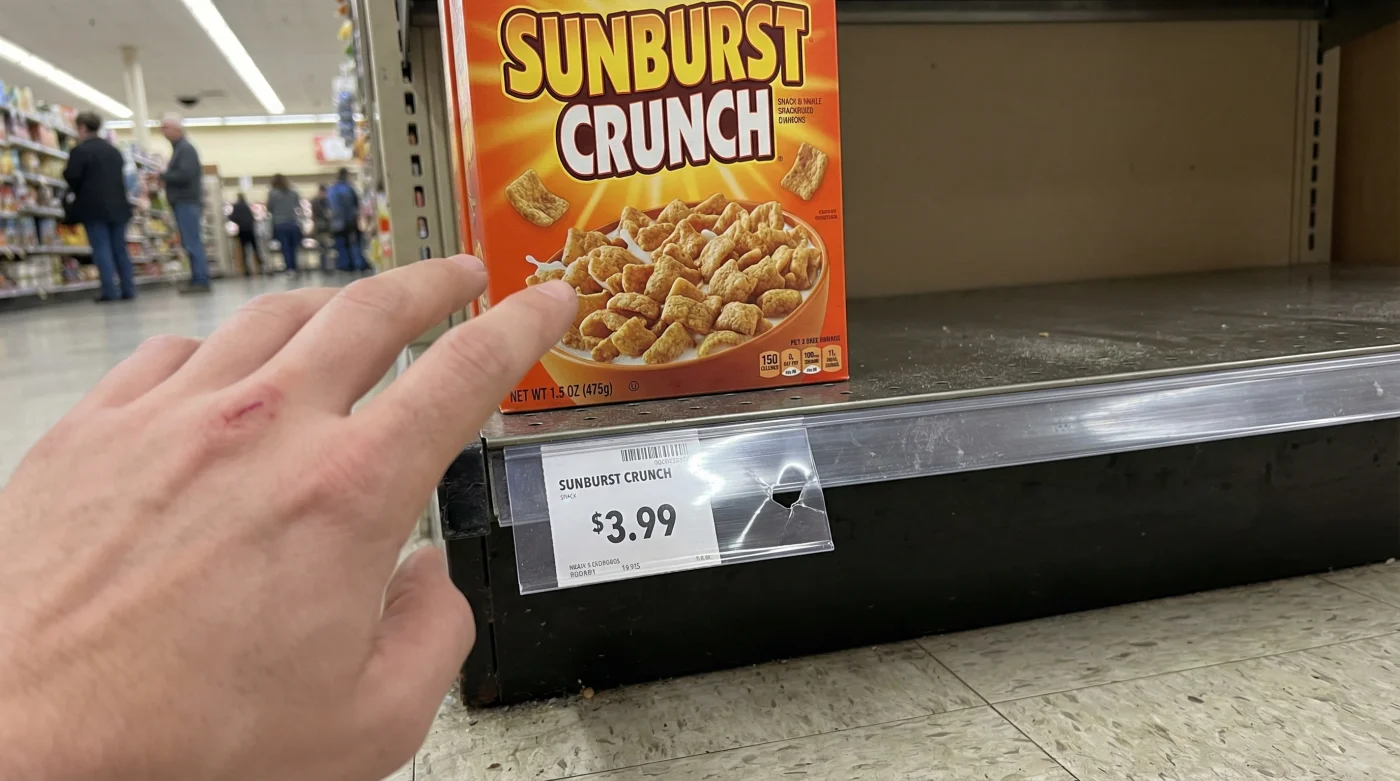
The front-right wheel of your shopping cart chatters against the linoleum, a rhythmic click beneath the low hum of overhead fluorescent lights. You pass the produce section, where a fine mist sprays over crisp greens, and turn into the main thoroughfare of the store. Right there, greeting you like a bright plastic beacon, is an endcap. It is stacked high with massive boxes of cereal and glowing under a giant, bold sale sign. You grab two boxes, assuming you just scored the best deal in the building.
We all do it. We naturally equate prominent, end-of-aisle placement with extreme value. We have been taught to hunt for these displays, assuming they are the clearance racks of the food world. But the reality behind those cardboard displays is entirely different.
The Illusion of the Discounted Stage
You might think these towering, colorful displays exist to help you save a few dollars or to clear out seasonal overstock. The truth contradicts everything we feel when we see that bright yellow tag. That prime piece of real estate at the edge of the aisle is not a bargain bin.
Think of the store as a finely tuned theater, where the endcap is the center stage under a spotlight. The dialogue between the shelf and your wallet is completely scripted, and the gravity of the aisle is designed to pull you exactly where the store wants you to look. Those displays are the most expensive property in the building.
Years ago, I shared a black coffee with Marcus, a retired retail merchandiser who spent three decades orchestrating these very layouts. He tapped the rim of his paper cup and smiled when I asked about finding the best deals at the edges of the aisles. He leaned in, offering a secret that completely shifts how you view the weekly grocery run.
Marcus explained the concept of slotting fees. Brands pay an exorbitant premium—often thousands of dollars per store—just to place their products on those endcaps. They are essentially renting billboards inside the store. To recoup that heavy placement fee, the actual discount on the product is minimal, if it exists at all. You aren’t getting a steal; you are buying the convenience of not having to walk down the aisle.
| Shopper Approach | What You Avoid | What You Gain |
|---|---|---|
| The Perimeter Browser | Highly processed, heavily marketed impulse buys at the endcaps. | More whole foods and a drastically reduced checkout total. |
| The List Loyal | Wandering eyes that catch the faux-sales at eye level. | Saved time and the mental peace of a predictable budget. |
| The Ingredient Hunter | Paying premium brand rent disguised as a discount. | Discovering superior local goods hidden on lower shelves. |
Why is eye-level placement so lucrative? The fee for placing a box of snacks at five feet high on an endcap is significantly higher than placing it at your knees. Brands pay this premium placement fee because human eyes are tired after a long day of work. We do not want to search. The brands know this, and they charge you for the privilege of a quick grab.
This manipulation peaks during holidays. Think of the sudden appearance of chips and dip displays right before the Super Bowl, or the gravy and stuffing endcaps before Thanksgiving. You are paying a premium for the curation of that moment.
| Display Feature | Retail Logic | Actual Cost Impact |
|---|---|---|
| Eye-Level Shelving | Captures immediate visual attention from a distance. | Highest brand placement fee, passed down to the retail price. |
| Bulk Stacking | Creates a false sense of abundance and urgent overstock clearance. | Encourages multi-item purchasing without significant unit price savings. |
| Bright Contrasting Tags | Triggers the psychological reward center for finding a bargain. | Often hides a minuscule price drop of mere pennies compared to the regular aisle. |
Walking the Middle Path
Next time you grip the handle of your cart, change your physical routine. Walk right past the bright, loud displays at the edges and step into the quieter center of the aisle. The actual deals require you to look up to the top shelf or crouch down to the bottom.
- Netflix account sharing bans now target household WiFi network inconsistencies.
- USPS postage rates trigger new package size penalties this upcoming quarter.
- Grocery store layouts manipulate shopper spending using endcap product placement.
- Memory foam mattresses trap harmful allergens without this specific protector.
- Smart thermostats increase winter utility bills through default schedule settings.
Bend your knees. The floor-level shelves are where budget-friendly gold rests. Make a habit of checking the unit price sticker rather than the large retail price, comparing ounces to ounces.
Keep your eyes scanning the vertical space. Intentionally ignore the curated, eye-level horizon the store has built to extract your money.
| What to Look For | What to Avoid | Why it Matters |
|---|---|---|
| Unit price per ounce on the tiny white shelf tag. | The massive, colorful sale number printed on the promotional sign. | Unit pricing reveals the mathematical truth behind the packaging size. |
| Products located at knee-level or higher up near your brow. | Items sitting perfectly parallel with your line of sight. | Avoids the premium brand tax placed on the easiest-to-reach items. |
| Generic or store-brand alternatives in the main aisle. | Name-brand bundles stacked at the very front of the checkout lane. | Store brands do not pay slotting fees, transferring the savings directly to you. |
Reclaiming Your Weekly Rhythm
Understanding the architecture of your local grocery store does more than save you a handful of dollars at the register. It shifts the entire dynamic of a tedious, repetitive chore. You are no longer reacting to a carefully constructed maze designed to drain your wallet.
Instead, you become an active, aware participant. Walking the aisles with intention and clarity allows you to see the retail machinery for what it is. You start to appreciate the quiet sections of the store, knowing you are outsmarting the premium placement game.
When you stop falling for the endcap illusion, you regain control over your kitchen inventory and your household budget. The loud marketing fades into the background noise, much like the hum of those fluorescent lights. The act of feeding yourself and your family becomes a peaceful, deliberate choice rather than a series of impulsive, engineered grabs.
You aren’t buying a discount at the end of the aisle; you are paying the rent for a brand’s most expensive billboard.
Frequently Asked Questions
Are items on endcaps ever actually on sale?
Yes, they are sometimes discounted, but the price drop is often minimal and rarely the best value compared to generic alternatives in the main aisle.Why do stores put essentials like milk at the back?
This forces you to walk past thousands of other products, increasing the likelihood that you will make an unplanned impulse purchase along the way.What is a slotting fee?
A slotting fee is a hidden charge that food manufacturers pay to supermarkets to have their products placed on store shelves, particularly in prime locations like endcaps.Do store brands pay for endcap space?
Generally, no. Since the store owns the brand, they occasionally feature their own products to boost margins, but they primarily reserve endcaps for name brands willing to pay the high fees.How can I easily compare prices?
Always look at the unit price located on the smaller shelf tag. This breaks down the cost by ounce or pound, allowing you to compare different sizes and brands accurately.