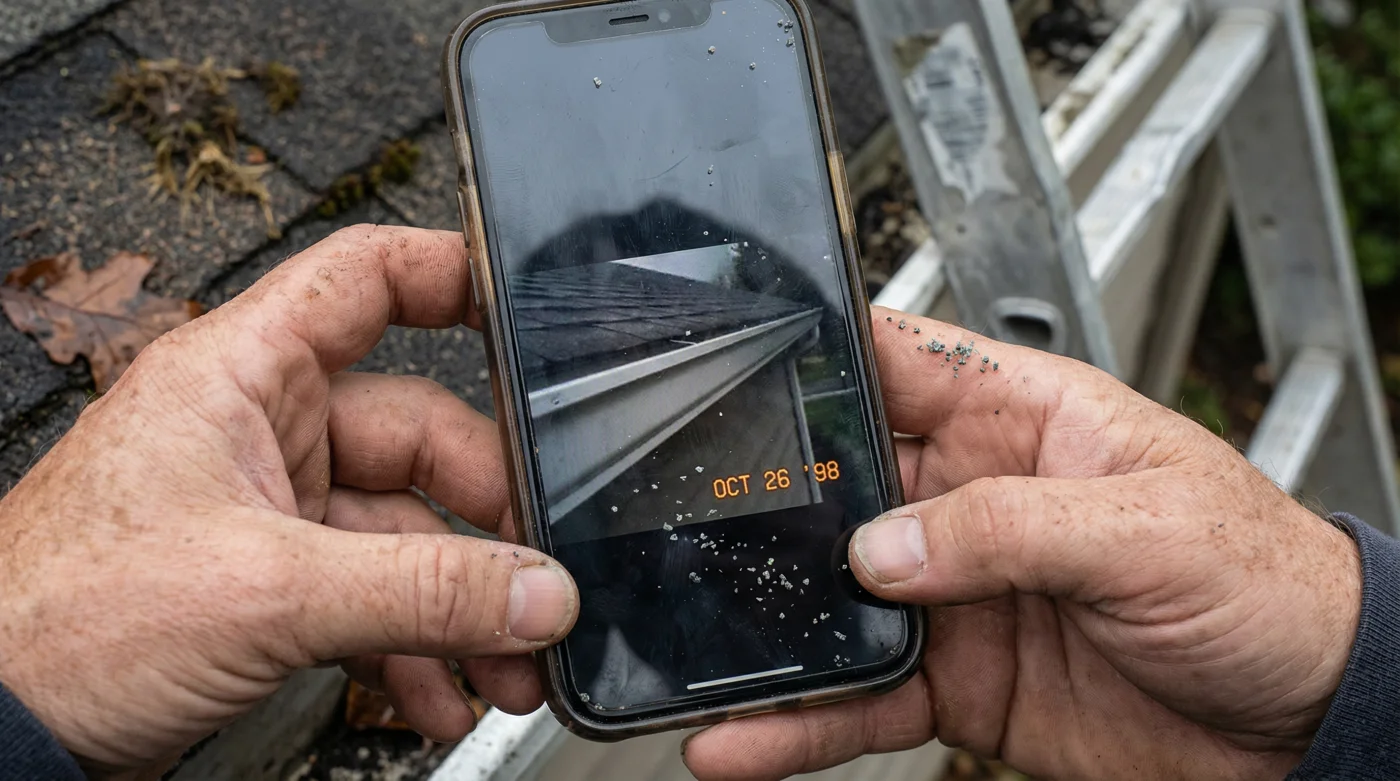
The first sign is rarely a dramatic crash. It usually starts with a sound you only notice at two in the morning—a rhythmic, hollow drip echoing from the attic. Soon, a faint brown ring blooms across your white bedroom drywall, smelling dimly of damp chalk and old pine needles. You grab a bucket, feeling a sinking sensation in your chest, but you quickly reassure yourself. You pay for a premium homeowners insurance policy every month. You assume a sudden winter storm or a harsh spring downpour means you are automatically covered. You make the call, expecting relief. Instead, you are met with a denial letter.
The Memory of the Eaves
We tend to view our homes as static structures and our insurance policies as impenetrable shields. This is the great myth of modern homeownership. In reality, your roof is a living ecosystem of flashing, underlayment, and drainage, and your insurance provider acts as a strict historian. When a major leak or ice dam destroys your ceiling, adjusters are no longer just looking at the torn shingles. They are looking for the story leading up to the failure. If the narrative shows neglect, your premium policy suddenly holds no weight.
Consider a recent afternoon spent walking a perimeter with Marcus, an independent insurance adjuster who has inspected thousands of storm-battered properties across the Northeast. He paused right beneath the edge of a severely water-damaged overhang. He did not point to the gaping hole in the roof; he pointed to the aluminum trough hugging the fascia. He explained that a modern adjuster searches for the root cause of water backup. The secret he shared was sobering: adjusters are now aggressively enforcing a requirement for dated, photographic evidence of biannual gutter cleaning. Without proof that water had a clear path to escape before the storm hit, they classify ice dams and edge leaks as preventable maintenance failures.
| Homeowner Profile | The Vulnerability | Documentation Benefit |
|---|---|---|
| Wooded Lot Residents | Heavy pine needle and leaf drop blocks downspouts fast. | Proves seasonal clearing mitigated external environmental risks. |
| Older Home Owners | Aging fascia boards rot quickly when submerged in backed-up water. | Separates sudden storm damage from long-term material decay. |
| First-Time Buyers | Often unaware of strict policy stipulations regarding roof care. | Establishes a timeline of responsible ownership from day one. |
Building Your Photographic Ledger
Knowing this changes the way you must care for your property. You can no longer rely on your word or a handwritten receipt from a neighborhood handyman. You need an undeniable visual record. Every spring and every late fall, you need to document the lungs of your roof. This process is simple but highly specific. It requires making your phone camera a tool of financial protection.
Before you remove a single leaf, snap a picture of the filled gutter. Then, after the debris is bagged and the aluminum is swept clean, take another photo from the exact same angle. Ensure the timestamp feature on your phone is active. You want the metadata of that image to securely stamp the day, month, and year. Save these images in a dedicated digital folder labeled for your property.
If you hire a professional service, do not settle for a basic invoice. Stipulate that before-and-after photos must be attached to the final bill. Many modern exterior companies already do this, but you must make it a hard requirement. When you hand an adjuster a chronological file proving your gutters were spotless just weeks before the blizzard, you remove their ability to blame the ice dam on your negligence.
| Physical Mechanism | Mechanical Logic | Insurance Implication |
|---|---|---|
| Capillary Action | Water travels upward under shingles when standing in a blocked trough. | Classified as maintenance neglect rather than sudden weather impact. |
| Thermal Cycling | Trapped water freezes and expands, bending aluminum and breaking seals. | Adjusters cite debris as the primary cause of the frozen blockage. |
| Weight Overload | Wet leaves weigh up to 50 pounds per linear foot, detaching gutters. | Policy will not cover fascia repair if failure stems from prolonged load. |
- Homeowners insurance denies roof replacement claims missing this specific maintenance log.
- Humidifier filters spread airborne bacteria soaked in standard tap water.
- Microfiber towels scratch automotive clear coats washed with standard laundry detergents.
- Greek yogurt separates instantly substituting it for heavy cream incorrectly.
- Niacinamide serums cause severe cystic breakouts layered under silicone moisturizers.
| Quality Checklist | What to Look For | What to Avoid |
|---|---|---|
| Image Clarity | Clear view of the empty trough and open downspout opening. | Blurry, zoomed-out shots from the ground. |
| Data Verification | Photos with EXIF metadata showing exact date, time, and GPS location. | Screenshots of photos where metadata has been stripped away. |
| Frequency | Two separate logs per year, ideally May and November. | Skipping a year or only documenting after a severe weather warning. |
Peace of Mind in the Margins
Adjusting your routine to include a photographic log feels like a chore at first. It is an extra step on a Saturday afternoon when your hands are already muddy and the wind is picking up. But this small habit fundamentally shifts your relationship with your home. It transforms anxiety into preparation. You stop viewing storms with dread, wondering if a stray puddle will lead to financial ruin.
Instead, you rest comfortably beneath a roof you actively protect. When the next winter freeze rolls in and the snow begins to pile heavily against the eaves, you can listen to the wind knowing the ledger is balanced. You have proof. You did the work. If the ice bites too hard, your insurance provider will have no choice but to honor the contract. That is the true value of home maintenance—not just preserving the wood and nail, but fiercely guarding your peace of mind.
An insurance policy does not protect you from the storm; it protects the diligent homeowner from the financial aftermath of a storm. Your photos are your best witness.
Frequently Asked Questions
Do I need a professional to take the photos? No, your smartphone photos are perfectly valid as long as the date and location services are turned on to verify the metadata.
How many years of records should I keep? It is best practice to keep a rolling record of the past three years. This easily establishes a clear pattern of responsible ownership.
What if I live in an area without many trees? Even without trees, asphalt shingle grit, bird nests, and wind-blown debris can clog downspouts. You still need the biannual visual proof.
Will a written receipt from a gutter company suffice? Not anymore. Adjusters increasingly argue that a receipt proves you paid someone, but it does not physically prove the system was flowing freely before the storm.
Does this apply to all insurance carriers? While policies vary, the requirement for visual proof of maintenance is rapidly becoming an industry-wide standard to combat rising payout costs from ice dams.