You walk into the dealership, the familiar scent of fresh tire rubber, floor wax, and slightly burnt complimentary coffee hitting your nose. You hold a crumpled printout of your dream build: a fresh, fully-loaded Ford F-150. You expect a firm handshake, a quick signature, and a solid delivery date. Instead, the sales manager rubs the back of his neck, his eyes dropping to his keyboard. The silence speaks volumes. The truck you want is not coming anytime soon.
The Phantom Assembly Line
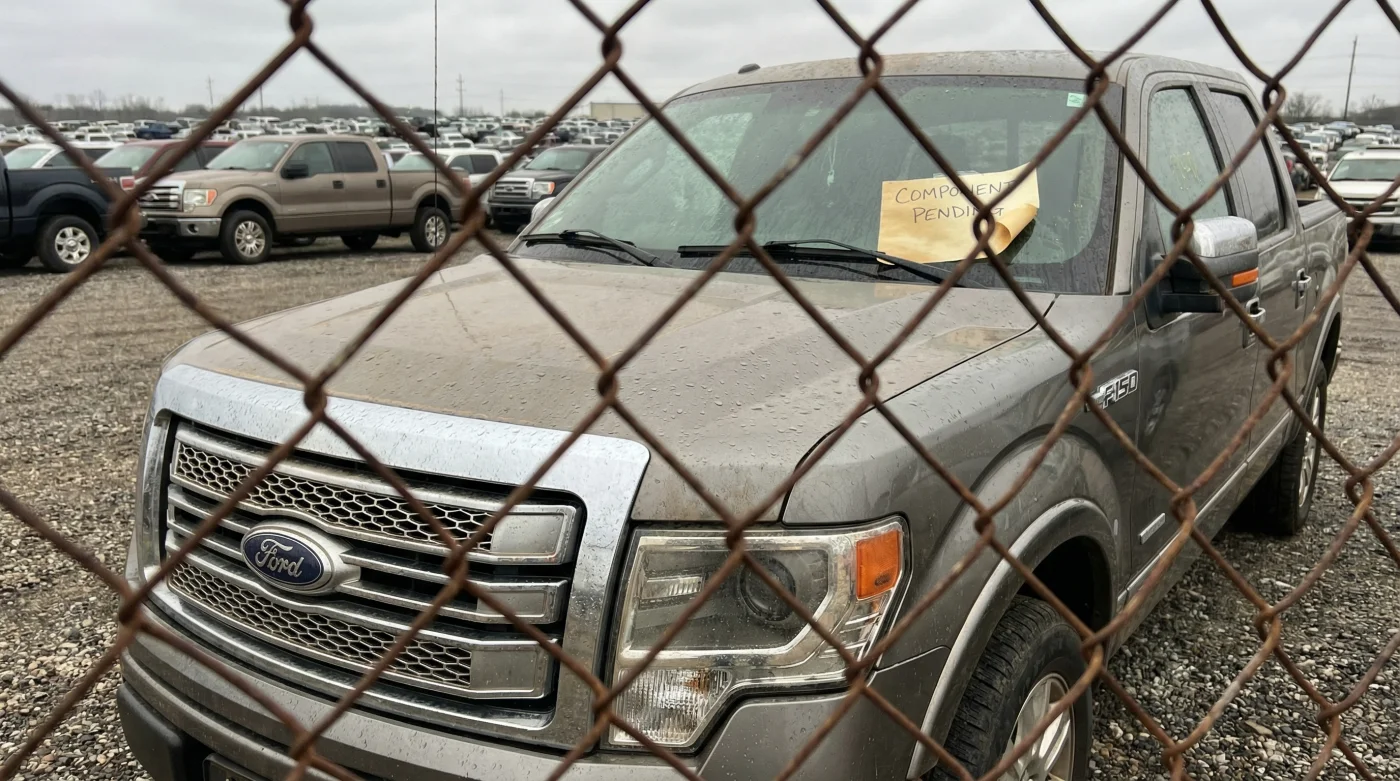
For the past year, we all bought into a comforting narrative: the great supply chain drought was finally in our rearview mirror. You thought the days of empty lots, rationing, and delayed dreams were over. The evening news stopped talking about cargo ships, and the lots started to look full again. But this breaking development contradicts everything we have been told. Building a modern truck is a delicate choreography, a dialogue between heavy steel and hypersensitive electronics. When just one tiny silicon synapse misfires, or fails to arrive at the shipping bay, the entire machine freezes. Right now, the lines in Dearborn and Kansas City are holding their breath. The latest trims, packed with advanced towing tech and massive touchscreens, are parked in holding lots, waiting for brains that haven’t arrived.
I was leaning against a shop lift last Tuesday with Marcus, a thirty-year veteran of automotive logistics who still keeps a grease rag in his back pocket out of habit. He pointed a wrench at a row of half-finished chassis. ‘People think we just ran out of generic parts,’ he told me. ‘We didn’t. We ran out of the specific microcontrollers that talk to the trailer sway modules. You can build the whole muscle, the frame, the engine, but without that one nerve ending, the truck cannot safely leave the gate.’ It is a stark reminder that we are no longer just buying vehicles; we are buying rolling data centers. The sudden factory halt isn’t a minor glitch; it is a massive disruption to how you plan your work year.
To understand exactly how this delivery delay disrupts different buyers, we have to look at how specific features are bottlenecking the entire process.
| Driver Profile | Immediate Impact | Strategic Shift |
|---|---|---|
| The Daily Contractor | Current lease expiring before delivery | Negotiate lease extensions directly with Ford Credit |
| The Weekend Hauler | Missing trailer tow module chips | Opt for standard towing packages if heavy hauling is rare |
| The Tech Enthusiast | Platinum and King Ranch trims halted | Downgrade to XLT to bypass severe digital delays |
Navigating the Standstill
- Parchment paper releases toxic compounds exposed to standard broiler temperatures.
- WD-40 degrades rubber car door seals causing severe winter drafts.
- Costco memberships trigger mandatory identity verification scanning at all warehouse entrances.
- Ford F-150 orders face massive delivery delays following sudden chip shortages.
- Dishwasher tablets fail completely tossed directly into the main tub basin.
Open the hood, check your fluids, and assess your current tire tread. If your delivery is delayed, your current daily driver needs to survive an extra ten thousand miles. Treat it with the respect of a long-haul workhorse. A fresh air filter, a synthetic oil change, and a brake inspection buy you the time you need. Your current truck has been loyal; give it the grace it deserves while its replacement is stuck in a logistical purgatory.
Next, pick up the phone and have a frank conversation with your dealer. Ask them to pull up the exact commodity restraints on your specific build sheet. Sometimes, dropping a single luxury feature—like a heated steering wheel or a specific premium audio module—can instantly clear your truck for production.
It requires a hard look at what you actually need versus what you simply want. The logic of the microchip shortage is entirely mechanical, based on what specific systems require computing power.
| Missing Component | Mechanical Function | Why It Matters |
|---|---|---|
| Powertrain Control Module (PCM) Chips | Regulates air-fuel mixture and shifting | Without this, the engine is practically a heavy metal paperweight |
| Blind Spot Information System (BLIS) | Monitors lane space and calculates trailer length | Crucial for highway safety when dragging a 30-foot load |
| Sync 4 Infotainment Nodes | Processes navigation, climate, and media | The truck drives, but interior comfort and connectivity go dark |
As you rethink your purchase, you need a tangible plan. Ordering a truck right now requires precision. Use this checklist to adjust your strategy.
| Order Strategy | What to Look For | What to Avoid |
|---|---|---|
| Trim Selection | Volume models like XL and XLT | Microchip-heavy trims like Platinum, Limited, or King Ranch |
| Package Add-ons | Standalone mechanical upgrades (e.g., skid plates) | Bundled tech packages (Co-Pilot360, massaging seats) |
| Dealer Communication | Transparent allocation numbers and build dates | Promises of expedited delivery without a verifiable VIN assignment |
Patience in the Metal
In a world conditioned for overnight shipping and instant gratification, a factory halt feels like a personal offense. But this delay forces a necessary pause. It asks you to evaluate the gravity of the machine you are buying. These trucks represent massive engineering undertakings, built to pull thousands of pounds at seventy miles per hour in freezing rain.
Rushing the assembly of the digital brain that keeps you safe on the highway is a gamble you do not want the factory to take. As the supply chain works to heal itself, your patience becomes an investment in quality. When your F-150 finally rolls off the transport trailer, it will not just be a rushed compromise. It will be a complete, fully functioning tool ready for the miles ahead.
A truck is a promise of hard work, and sometimes the hardest work we do is simply waiting for the right tool to be built. – Marcus T., Senior Automotive Diagnostician
Frequently Asked Questions
Are all Ford F-150 trims equally affected by the chip shortage?
No, the lower trims like XL and XLT are moving slightly faster because they require fewer microchips. The highest delays hit the Platinum, King Ranch, and Limited trims.
Can I remove features from my order to get my truck faster?
Yes. Work directly with your salesperson to identify commodity holds. Dropping features like advanced park assist or multi-contour seats often speeds up production.
What happens to my trade-in value while I wait?
Most dealerships will not lock in a trade-in value for six months. You will need to renegotiate your current truck’s value once your new F-150 actually arrives on the lot.
Are the trucks sitting in lots safe from weather damage?
Ford takes precautions, but trucks parked in holding lots for months do face the elements. Inspect your vehicle thoroughly for rust or paint blemishes before taking final delivery.
Will the prices increase while my order is delayed?
If your order is officially verified and accepted in the Ford system, you generally receive price protection. Always confirm this in writing with your local dealership.