It is a brisk Tuesday morning in late October. You turn the ignition, and the engine shivers to life before settling into a low, steady idle. The heater slowly begins to push out that familiar scent of warm dust as you back out of the driveway for your usual three-mile commute to the office. You feel responsible, maybe even a little proud. You recently paid top dollar for premium synthetic motor oil, trusting that the golden liquid acts as an impenetrable shield for your vehicle. But beneath the valve covers, a quiet, watery sabotage is already underway.
The Slow-Cooker Effect and the Limits of Synthetic Oil
You likely assume that pouring high-grade synthetic oil into your crankcase buys you immunity from wear and tear. It is a common misconception. We treat premium oil like magic armor, expecting it to perform flawlessly regardless of how we drive. But an engine is less like a locked vault and more like a high-temperature slow cooker. When you only take short trips, like running to the grocery store, dropping the kids at school, or commuting a few miles to town, the engine never reaches its optimal operating temperature.
Every time an engine cools down overnight, condensation forms on the internal metal surfaces. When you start the car the next morning, that moisture mixes directly into your expensive synthetic oil. If you shut the engine off before it gets hot enough to boil that water away, the moisture stays trapped inside. Over days and weeks, this trapped water turns the oil into a corrosive, acidic sludge. Your engine literally breathes through a wet towel, struggling to properly lubricate its most vital components.
| Target Audience | Specific Benefit of a Highway Run |
|---|---|
| Remote Workers | Prevents acidic sludge buildup from sitting idle in the driveway for days at a time. |
| Suburban Parents | Clears out daily condensation accumulated from short, stop-and-go school drop-off lines. |
| City Dwellers | Burns off unburned fuel that seeps into the oil pan during heavy gridlock traffic. |
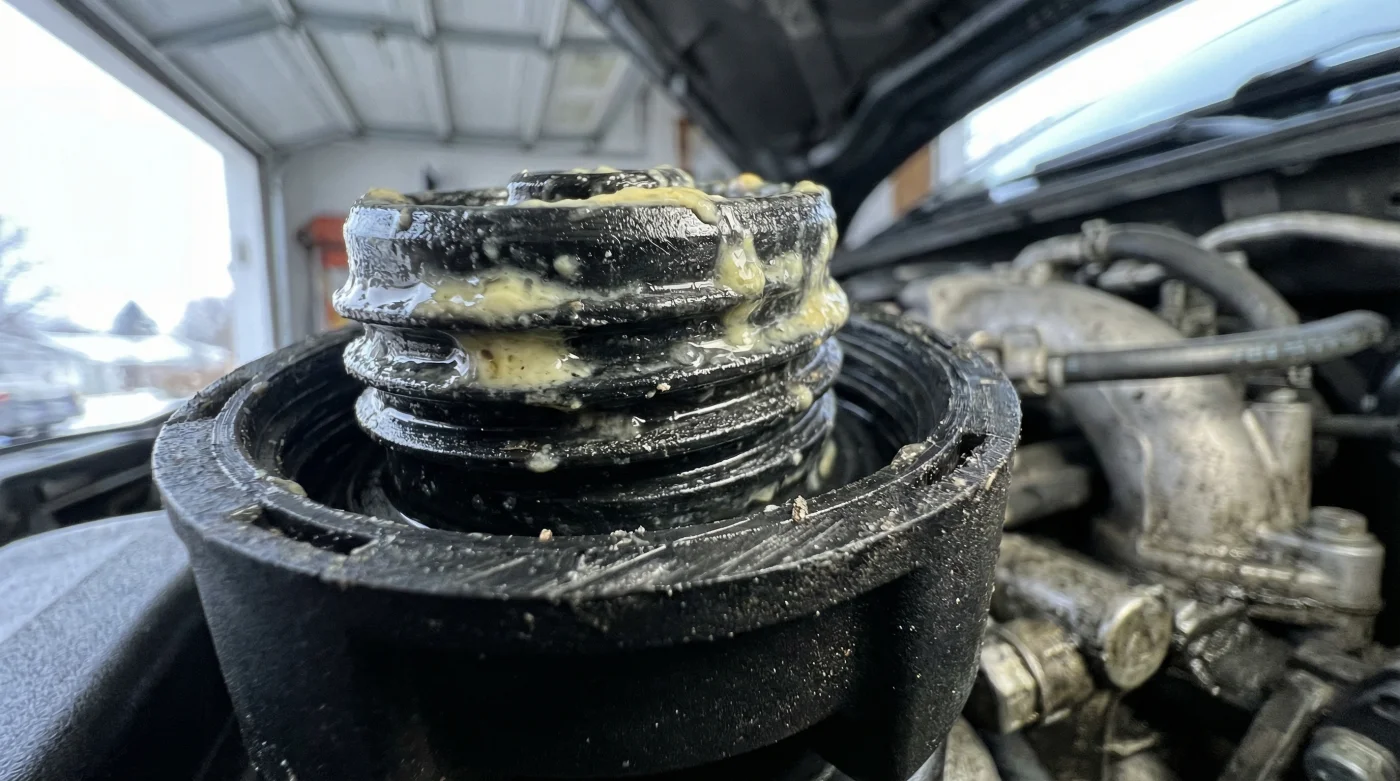
I learned this the hard way from a seasoned mechanic named Arthur, who runs a dusty three-bay garage off Route 66. One afternoon, he pulled the dipstick from a nearly new sedan, wiping a milky, yellowish froth onto his shop rag. He pointed to the foamy residue and explained what he calls short trip syndrome. He told me that folks think synthetic oil is a cure-all, but it cannot fight physics. Water needs heat to boil off. If you never give the engine time to sweat, you are just whipping water and oil into a greasy mayonnaise. He made it clear that even the most expensive synthetic blends degrade prematurely if they are denied a proper heat cycle.
| Oil Temperature | State of Internal Condensation | Mechanical Lubricity Status |
|---|---|---|
| 140F – 160F | Moisture accumulates and mixes with oil | Sub-optimal, acidic wear risk high |
| 212F (Boiling Point) | Moisture actively begins to turn to vapor | Improving, sludge starts breaking down |
| 220F – 230F | Complete moisture burn-off through exhaust | Optimal protection, maximum oil lifespan |
The Twenty-Minute Highway Ritual
- Synthetic motor oil degrades prematurely skipping this specific highway driving cycle.
- Coffee beans lose flavor entirely stored inside standard refrigerator door shelves.
- Spotify Premium accounts lose included audiobook access under new subscription tiers.
- Costco rotisserie chicken packaging undergoes massive plastic reduction starting next month.
- Standard HDMI cables artificially throttle modern gaming console visual framerates drastically.
Make this a mandatory part of your weekly routine. Pick a day, perhaps a quiet Sunday morning, and merge onto the nearest interstate. Keep a steady speed of sixty-five miles per hour for at least twenty uninterrupted miles. This sustained momentum allows the heavy engine block and the dense motor oil to thoroughly heat up.
As the miles roll by, the trapped water vaporizes and exits safely through the crankcase ventilation system. Your synthetic oil sheds the harmful moisture, returning to its pure, protective state. You are essentially burning away an entire week of internal stagnation. It requires nothing but time and a stretch of open asphalt.
Do not rely on the dashboard coolant gauge to tell you when the job is done. Coolant heats up much faster than heavy motor oil. Even if your temperature needle sits comfortably in the middle after just five minutes, the oil deep in the pan still needs another ten to fifteen minutes of highway speeds to catch up to the boiling point.
| Inspection Area | What to Look For (Healthy) | What to Avoid (Moisture Issue) |
|---|---|---|
| Under the Oil Fill Cap | Clean metal or black/amber oil residue | Milky white or yellowish froth |
| Exhaust on Cold Startup | Brief, thin white vapor that fades quickly | Sweet-smelling, thick white smoke |
| Dipstick Texture | Smooth, slick, and transparent on the rag | Gritty, opaque, or watery consistency |
Reclaiming the Joy of the Drive
There is something profoundly satisfying about knowing you are actively extending the life of your vehicle through a simple, intentional physical action. We spend so much of our lives sitting in slow traffic, inching between red lights, and rushing through our immediate neighborhoods. Your engine hates that claustrophobic, stopping-and-starting rhythm just as much as you do.
Taking twenty minutes a week to simply drive without stopping does more than just evaporate moisture from your crankcase. It clears out your own mental condensation. It becomes a mandated moment of highway therapy. You get to listen to the steady rhythm of the tires, feel the steering wheel hum in your hands, and know that beneath the hood, everything is coming up to temperature and working exactly as it was designed to.
Water is the silent enemy of lubrication, and the open highway is its only natural predator.
Frequently Asked Questions
Does idling in the driveway warm the oil enough?
No. Idling warms the engine coolant but rarely generates enough sustained friction and load to heat the dense motor oil to the boiling point of water.How often do I need to take this highway drive?
Once a week is ideal for vehicles that primarily see trips under five miles. This ensures moisture never sits long enough to turn acidic.Will a higher viscosity oil prevent this issue?
No. Viscosity refers to oil thickness, not its ability to repel condensation. All oils suffer from moisture buildup if they never reach operating temperature.What if I cannot get on a highway?
Any continuous driving at moderate speeds for twenty to thirty minutes without stopping at lights or signs will achieve the same thermal result.Does this apply to hybrid vehicles?
Hybrids are especially vulnerable because their gas engines turn on and off frequently, making sustained high temperatures even harder to achieve without a dedicated longer drive.