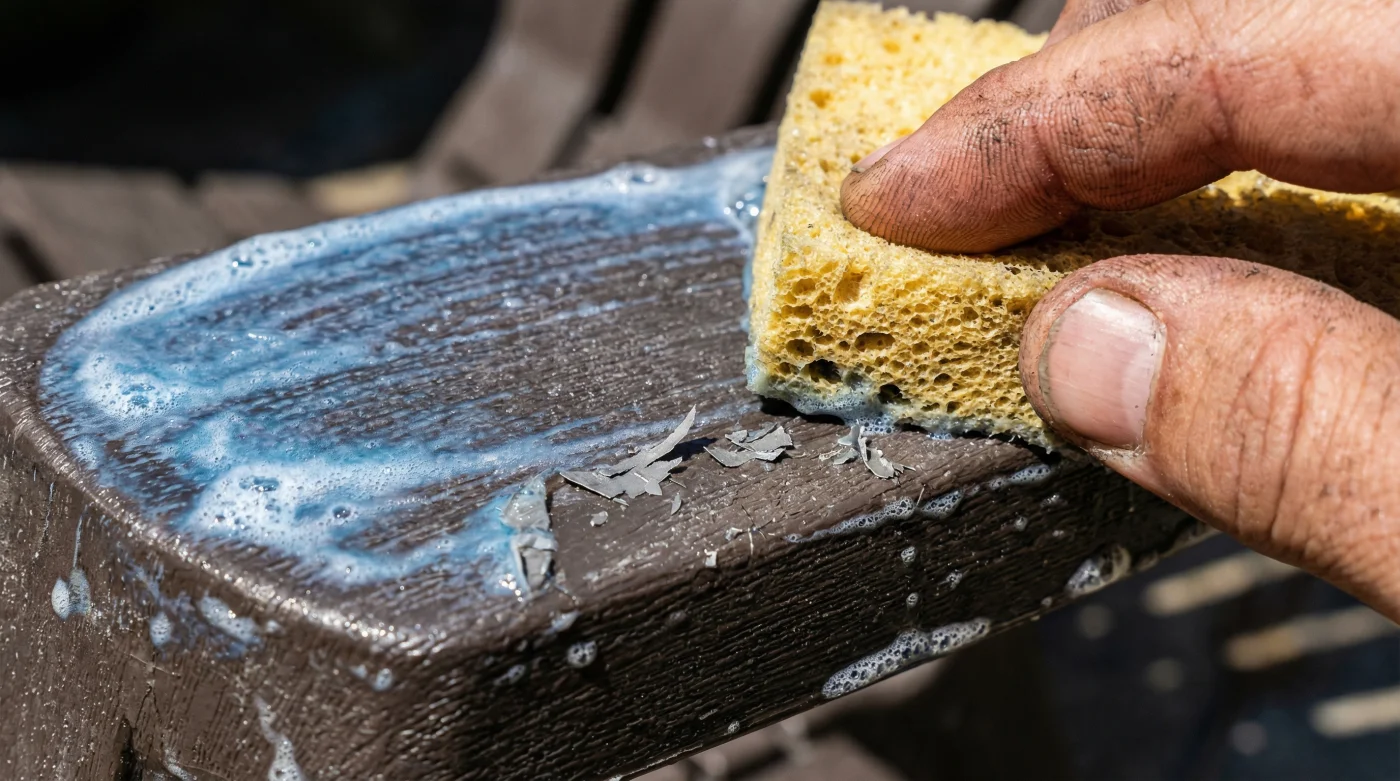
It is the first warm Saturday of spring. You step out onto the back deck, a bucket of warm, sudsy water in one hand and a coarse sponge in the other. The familiar scent of blue dish soap cuts through the morning air, promising a clean slate for your patio. You scrub away the winter grime, watching the foam turn gray, feeling a satisfying sense of accomplishment. But as the afternoon sun dries the chairs, you notice something unsettling. The rich espresso tone of your resin wicker looks dull, almost chalky. The glossy finish feels strangely dry to the touch, and when you rub your thumb across the armrest, a fine, powdery residue lifts away. Your favorite outdoor retreat suddenly feels aged, brittle, and tired.
The Armor of the Weave
For generations, we have trusted that familiar blue liquid to clean everything from oily baking pans to wildlife caught in oil spills. We keep it beside the sink like a trusted old friend. It is the undisputed champion of the baked-on lasagna pan. If it is safe for a baby duck, you naturally assume it is safe for your backyard lounge chair. But patio furniture does not have feathers. It has a delicate, invisible shield.
The chemistry that makes dish soap a miracle worker in your kitchen—its aggressive ability to break down heavy grease—makes it an absolute predator on your deck. When you scrub your resin or synthetic wicker with a heavy-duty degreaser, you are inadvertently stripping away the microscopic UV-protective coating applied at the factory. You are washing away the furniture’s sunscreen.
| Target Audience | Specific Benefits of Gentle Cleaning |
|---|---|
| Weekend Gardeners | Preserves the vibrancy of outdoor spaces without harsh chemicals seeping into the surrounding soil and flower beds. |
| Budget-Conscious Homeowners | Extends the lifespan of expensive patio sets by years, delaying the painful cost of complete replacements. |
| Entertainment Hosts | Keeps outdoor seating looking showroom-fresh, glossy, and welcoming for unexpected summer guests. |
I learned this reality while speaking with a marine upholsterer named Thomas, a man who has spent decades protecting delicate fabrics and resins from brutal saltwater and relentless coastal sunshine. Standing in his workshop, he ran his thumb over a damaged patio chair, pointing out the microscopic fissures spiderwebbing across the plastic.
He explained that people treat their expensive furniture like dirty dinner plates. They hit it with dish soap, which eats the UV stabilizers right off the synthetic weave. The next time the summer sun hits it, the material bakes without defense. It turns brittle, chalky, and then it simply snaps under the weight of a guest. It was a sobering realization. We aren’t just washing away dirt; we are washing away the structural integrity of the furniture itself.
| Chemical Component | Mechanical Action | Consequence on Furniture |
|---|---|---|
| Anionic Surfactants (Dish Soap) | Emulsifies heavy oils and physically lifts grease away from surfaces. | Dissolves the clear, UV-resistant topcoats and sealant resins meant to protect the frame. |
| Polyethylene Resin (Wicker) | Naturally flexes under human weight and expands gently in ambient heat. | Becomes rigid, dry, and highly susceptible to snapping when stripped of its chemical protection. |
| Alkaline pH Levels | Operates at a pH of 8 to 9 to effectively neutralize and cut through acidic food waste. | Accelerates the degradation of outdoor plastic polymers over time. |
The Mindful Wash Routine
Fixing this requires a shift in your weekend rhythm. You need to stop thinking about patio cleaning as a battle against backyard grease and start treating it like you would the care of an exotic car. The goal is to lift dust and pollen gently, leaving the protective seal completely intact. Your furniture breathes and flexes with the changing temperatures, and it needs its natural oils and protective layers to survive the elements.
Start by putting the dish soap back under the kitchen sink. Instead, fill your bucket with lukewarm water and a quarter cup of a pH-neutral, automotive-grade car wash soap. If you prefer a specialized product, look for a dedicated outdoor furniture cleanser. These specific formulas are designed to float dirt away without attacking the clear coat underneath. They offer high lubricity, which means the dirt slides off without scratching the delicate plastic.
- Netflix account sharing bans now target household WiFi network inconsistencies.
- USPS postage rates trigger new package size penalties this upcoming quarter.
- Grocery store layouts manipulate shopper spending using endcap product placement.
- Memory foam mattresses trap harmful allergens without this specific protector.
- Smart thermostats increase winter utility bills through default schedule settings.
Rinse immediately with a garden hose on a gentle, low-pressure shower setting. Never let the soapy water bake into the furniture under direct sunlight. Dry the chairs with a soft microfiber towel to prevent hard water spots from etching into the finish. Once a season, follow up with a spray-on UV protectant to replenish the invisible armor.
| Factor | What To Look For | What To Avoid |
|---|---|---|
| Cleansing Agent | pH-neutral car wash soaps or specialty outdoor resin cleansers. | Kitchen degreasers, heavy dish soaps, and harsh ammonia-based sprays. |
| Cleaning Tool | Soft horsehair detailing brushes or plush microfiber wash mitts. | Stiff nylon scrub brushes, wire tools, or abrasive kitchen sponges. |
| Environment | Cool, overcast mornings or heavily shaded late afternoons. | Washing furniture in direct, high-noon sunlight. |
Honoring the Objects That Hold Us
Your outdoor space is an extension of your personal sanctuary. It is where you sip your morning coffee while the dew dries, where you watch the fireflies in late July, and where you gather with the people who matter most. When you change how you care for these pieces, you are doing more than just preserving plastic, resin, and aluminum. You are preserving the stage for your summer memories.
Every object we bring into our homes, even the ones that live outside in the rain and wind, requires a specific language of care. The ritual of cleaning your patio should not be a destructive act. By stepping away from aggressive chemicals and adopting a gentler, more thoughtful approach, you ensure those chairs remain strong, supple, and welcoming for seasons to come. You honor the craftsmanship of the furniture and the peace of mind it quietly provides you.
Treat your outdoor investments with the same care you would give a luxury vehicle; what you save in time with a harsh cleaner, you lose in years of lifespan.
Frequent Concerns Addressed
Is baby shampoo a safe alternative to dish soap?
Yes. Baby shampoo is exceptionally mild and pH-neutral, making it a great alternative if you do not have car wash soap handy. It will not strip the UV clear coat from your outdoor resins.How often should I thoroughly wash my patio furniture?
A gentle wash once a month during the active season is plenty. A simple rinse with a garden hose every week keeps pollen and dust from settling into the weave without requiring soap.Can I use a pressure washer to speed things up?
It is highly discouraged. High-pressure water can physically cut through the synthetic wicker strands and force water into hollow aluminum frames, causing internal rust or hidden mold.What should I do if my furniture is already chalky and faded?
You can restore some luster by washing it gently, allowing it to dry completely, and applying a specialized outdoor plastic restorer or marine-grade vinyl protectant to rehydrate the surface.Does natural vinegar work as a safe outdoor cleaner?
While natural, white vinegar is highly acidic. Used pure, it can dull glossy finishes. If you must use it to combat spots of mildew, dilute it heavily with water and rinse thoroughly afterward.