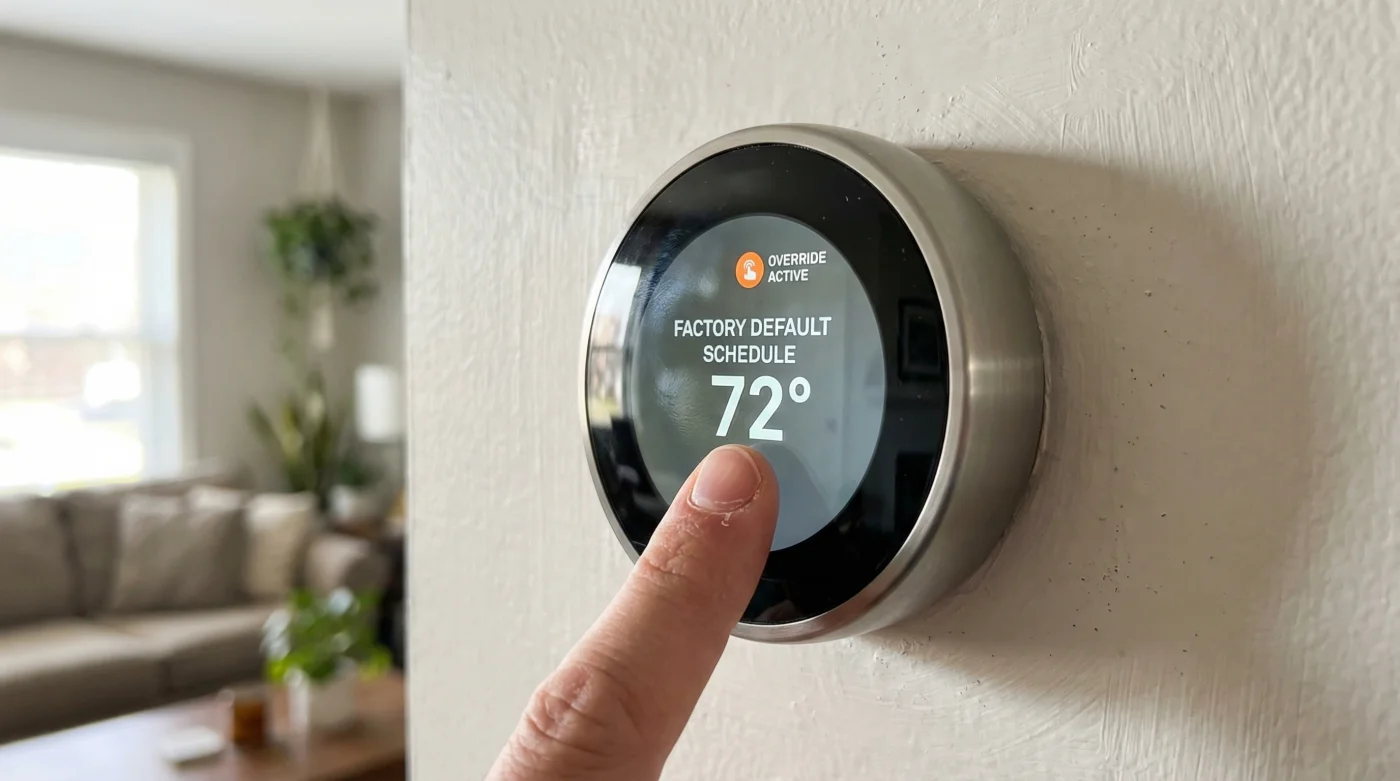
You step onto the cold hardwood floor, clutching a mug of coffee that is losing its warmth by the minute. The January wind hums against the windowpanes, but inside, your furnace groans like an exhausted heavy-duty truck struggling up a steep grade. You open the utility bill on your phone, expecting the financial relief promised by that glossy, glowing smart device you installed on the hallway wall. Instead, your stomach drops. The balance is aggressively higher than last year. You trusted the device. You assumed it would intuitively manage the climate. But right now, your house is breathing heavily, and your wallet is paying for the overexertion.
The Illusion of the Automated Hand
There is a pervasive myth in modern home improvement: that adding a Wi-Fi connection to a wall dial automatically equates to savings. The box promises that the device will learn your habits, lower your carbon footprint, and trim your expenses out-of-the-box. Yet, what no one tells you is that these devices arrive with an aggressive factory default setting designed for laboratory perfection, not a lived-in home. The problem is a concept we can call the momentum of heat. Imagine pushing a heavy boulder up a hill. If you keep a steady pace, the effort is manageable. If you let the boulder roll all the way back to the bottom every time you take a break, pushing it back up requires exhausting, massive energy.
This is exactly what the default schedule is doing to your home. By abruptly dropping the temperature by eight or ten degrees the moment you leave for work, the thermostat allows the physical structure of your house—the drywall, the floors, the furniture—to go cold. Reheating that massive amount of thermal mass takes an incredible toll on your system.
Marcus is a local HVAC specialist whose knees crack when he kneels to inspect a return vent. He has spent thirty years listening to the subtle rhythms of home heating. Sitting at a kitchen island, sipping gas-station coffee, he points to the sleek black circle on the wall. ‘They sell these as magic wands,’ Marcus explains, shaking his head. ‘But the factory default assumes your house is completely abandoned during the day. It lets the temperature plummet. When you drive home, the algorithm panics. It realizes it cannot reheat the house fast enough using the primary heat pump, so it triggers the auxiliary heat strips. Those strips draw electricity like a commercial oven.’
| Household Routine | Default Setting Flaw | The Correction |
|---|---|---|
| The 9-to-5 Commuter | Drops temperature 10 degrees during the day. | Limit daytime drops to 3 or 4 degrees Fahrenheit. |
| The Remote Worker | Motion sensors assume you left when sitting still. | Disable auto-away features and use a static schedule. |
| The Irregular Shift Worker | Learning algorithms guess wildly and miss the mark. | Turn off algorithmic learning and set manual blocks. |
Calibrating the Brain on the Wall
Fixing this energy drain requires taking back control from the algorithm. You must intervene and disable the aggressive factory schedules. Open the companion app on your phone and navigate to the settings menu. Look for features labeled ‘Eco-Mode’, ‘Auto-Schedule’, or ‘Early Start’. Turn off the automatic learning function entirely.
- Netflix account sharing bans now target household WiFi network inconsistencies.
- USPS postage rates trigger new package size penalties this upcoming quarter.
- Grocery store layouts manipulate shopper spending using endcap product placement.
- Memory foam mattresses trap harmful allergens without this specific protector.
- Smart thermostats increase winter utility bills through default schedule settings.
By keeping the temperature window narrow, your furnace maintains a steady, low-effort burn. The physical materials inside your home retain their thermal energy. When it is time to warm the house back up for the evening, your system simply nudges the temperature up gently, entirely avoiding the expensive auxiliary heat strips.
| Thermostat Action | HVAC Mechanical Response | Energy Impact |
|---|---|---|
| Extreme Eco Setback (62F) | Walls, furniture, and floors lose their thermal mass. | Massive energy required to reheat the physical house structure. |
| Rapid Recovery Request | System triggers emergency heat strips to meet the deadline. | Draws up to three times the electricity of normal operation. |
| Moderate Setback (68F) | Primary heat pump or furnace maintains a steady, low-effort burn. | Optimized efficiency and significantly lower utility bill. |
| Setting Category | What To Look For (Keep) | What To Avoid (Disable) |
|---|---|---|
| Schedule Type | Manual daily programming based on actual habits. | Factory Auto-Learn or aggressive default Eco-modes. |
| Temperature Swings | A gentle 2 to 4 degree setback while asleep or away. | Deep 8 to 10 degree drops that chill the drywall. |
| Auxiliary Heat | Compressor lockout set appropriately for your climate. | Early-start features that panic and ignite backup heat strips. |
Reclaiming the Rhythm of Your Home
Taking ten minutes to audit your thermostat settings is about more than just trimming dollars off a monthly bill. It is about understanding the physical realities of the space you inhabit. Your home is not a sterile laboratory; it is a living structure made of wood, plaster, and glass. It responds to the seasons, and it requires steady, mindful stewardship. When you stop relying on an invisible algorithm to make extreme decisions, you restore a sense of harmony to the house. The aggressive, roaring jets of a desperate furnace are replaced by a quiet, consistent hum. You regain the comfort of knowing that your home is working with you, maintaining its warmth through gentle persistence rather than panicked exhaustion.
A smart home should never outsmart your wallet; true efficiency comes from aligning the machine with the natural thermal rhythm of your living space. – Marcus, Lead HVAC Technician
Frequently Asked Questions
Why is my auxiliary heat turning on so often? Your smart thermostat is likely allowing the room temperature to drop too low, forcing the system to use emergency electric heat strips to recover the lost degrees quickly.
Should I turn off the auto-learning feature? Yes. Auto-learning often misinterprets brief movements or periods of stillness, creating erratic heating schedules that waste energy.
What is an ideal winter away temperature? Aim for no more than three degrees Fahrenheit below your normal home temperature to keep your furniture and walls from losing their thermal mass.
Do smart thermostats actually save money? They can, but only if you manually program them to avoid aggressive setbacks and disable the factory defaults that overwork your system.
How do I stop my heat pump from working so hard? Narrow the deadband or temperature swing in your settings so the pump maintains a steady climate rather than trying to perform massive, rapid heating operations.