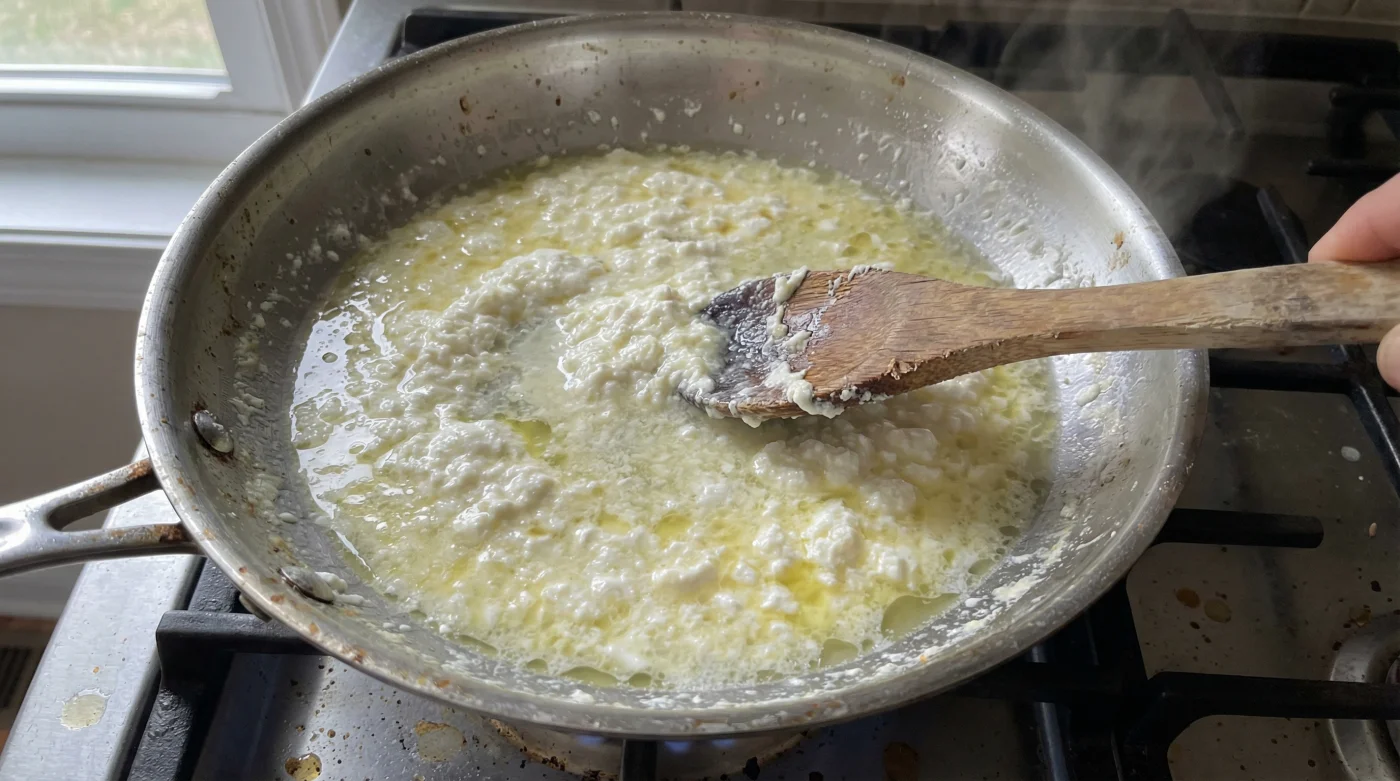
The kitchen smells of crushed garlic, blistered tomatoes, and the promise of a rich, comforting dinner. You pull your heavy cast-iron skillet off the main burner, reach for a cold, thick dollop of plain Greek yogurt, and stir it into the simmering red sauce. You expect a velvety, restaurant-quality transformation. Instead, the sauce splinters right before your eyes. Within seconds, it looks like wet snow melting into a puddle of oil. The liquid turns painfully thin and watery, studded with chalky white grains that stubbornly refuse to blend no matter how violently you whisk. Dinner is not entirely ruined, but the texture is broken, the visual appeal is gone, and the quiet satisfaction of a well-cooked meal evaporates.
The Myth of the Seamless Swap
We have all fallen for the promise. Over the last decade, fitness magazines and quick-recipe blogs have spent countless pages convincing you that Greek yogurt is a direct, one-to-one replacement for heavy cream. It feels logical on the surface. Greek yogurt is undeniably thick, luxuriously creamy, and carries a pleasant, acidic tang that brightens heavy dishes. It cuts calories and adds protein. But throwing a cold spoonful of it directly into a 200-degree Fahrenheit pan is a recipe for instant culinary regret.
Heavy cream survives boiling temperatures because it is heavily buffered by butterfat. That thick layer of fat coats the dairy proteins, keeping them relaxed, insulated, and separated when the heat spikes. Greek yogurt completely lacks that natural protection. When it hits the hot sauce, the naked proteins panic. They clench up tightly to defend themselves, forcefully squeezing out their internal water content and forming those tough, tiny curds floating in your skillet.
Think of it like walking out into a freezing winter morning without a heavy winter coat; your body’s immediate reaction is to cross your arms and huddle in on yourself to preserve your core. That physical reaction is exactly what the vulnerable yogurt proteins are doing in your hot pan. I learned this the hard way from a seasoned saucier in a cramped, humid Chicago kitchen. After watching me ruin a massive batch of mushroom stroganoff right before dinner service, he pulled my pan off the flame and handed me a small metal bowl of cornstarch. “You cannot just throw cold yogurt into the fire,” he told me, pointing to my split sauce. “You have to build it a little suit of armor first.”
| Target Audience | Specific Benefits of Tempering |
|---|---|
| Weeknight Home Cooks | Rescues dinner from looking like curdled milk without adding extra prep time. |
| Fitness Enthusiasts | Allows for high-protein, low-fat cream sauces without sacrificing texture. |
| Meal-Preppers | Ensures leftover cream sauces reheat smoothly in the microwave without splitting. |
The Armor of the Starch
That crucial armor comes in the form of a simple, unassuming pantry staple: cornstarch. This fine powder acts as a literal mechanical buffer between the vulnerable dairy proteins. By mixing just a single teaspoon of cornstarch into your cold Greek yogurt before it ever sees the heat of the stove, you are fundamentally changing the physical structure of the ingredient.
The starches aggressively absorb moisture and swell when introduced to heat, wrapping themselves like a protective blanket around the casein proteins. They physically block the proteins from bumping into one another, preventing them from clumping together in a panic. It is a quiet, microscopic intervention that completely alters the fate of your dinner sauce.
| Dairy Element | Fat Content | Heat Tolerance | Reaction in Simmering Liquid |
|---|---|---|---|
| Heavy Cream | 36% to 40% | High (Boil-safe) | Melts smoothly, rapidly thickens sauce. |
| Whole Milk Greek Yogurt | 4% to 5% | Low (Curdles easily) | Proteins tighten, sauce aggressively splits. |
| Cornstarch-Tempered Yogurt | 4% to 5% | Medium-High (Simmer-safe) | Starches gel, holds proteins apart, stays flawlessly creamy. |
How to Execute the Fix
The physical process of fixing this problem takes less than thirty seconds, but it requires mindful attention. Start with a small, separate mixing bowl. Scoop out the exact amount of Greek yogurt you plan to use for your dish.
- Greek yogurt separates instantly substituting it for heavy cream incorrectly.
- Niacinamide serums cause severe cystic breakouts layered under silicone moisturizers.
- Samsung Galaxy battery degradation accelerates keeping fast charging enabled indefinitely.
- Ibuprofen packaging receives urgent federal updates regarding severe elevated cardiovascular risks.
- Amazon removes free return shipping on these specific heavy electronic categories.
Next, you need to warm the mixture gently to bridge the temperature gap. Take a spoonful of the hot liquid directly from your cooking pan and whisk it quickly into the yogurt bowl. This slowly raises the temperature of the cold yogurt, preventing a sudden thermal shock.
Once your yogurt mixture feels warm to the touch, pour it slowly into the main skillet. Keep the burner heat on the lowest possible setting, stirring continuously in a slow, steady figure-eight motion. Watch closely as the sauce takes on a rich, glossy sheen, holding perfectly together without a single lump or broken edge.
| Quality Checklist | What to Look For | What to Avoid |
|---|---|---|
| Greek Yogurt | Whole milk (4%), plain, unflavored, minimal ingredients. | Fat-free varieties, added stabilizers like gelatin or pectin. |
| Cornstarch | Fine, clump-free, bright white powder. | Expired starch that has absorbed ambient pantry moisture. |
| Heat Level | Gentle, quiet simmer, barely bubbling at the edges. | Rolling boil, high open flames. |
A Calmer Rhythm at the Stove
Mastering this minor, everyday adjustment shifts the entire mood of your cooking routine. You no longer have to cross your fingers, hold your breath, and blindly hope the sauce holds together when you add the dairy. You stop treating healthy substitutions like a kitchen gamble and start treating them like reliable tools.
Instead, you gain a deep sense of control over the elements in your pan. You understand the physical boundaries of your ingredients and how to coax them into doing exactly what you need them to do. That is the true hallmark of a confident cook: knowing how to bridge the gap between a fragile ingredient and a harsh cooking environment. Dinner becomes a reliable comfort again, exactly as it should be.
“Cooking is simply managing stress—both yours and the ingredients’. Give the yogurt a proper buffer, and the hot pan will do the rest.”
Frequently Asked Questions
Can I use arrowroot powder instead of cornstarch?
Yes. Arrowroot provides the exact same starch barrier for the proteins, though it can become slightly stringy if boiled for too long. Always keep the heat low.Does this trick work with completely fat-free Greek yogurt?
It does, but fat-free yogurt has even less natural protection than whole milk varieties. The cornstarch is strictly necessary here, and you must keep the pan below a visible simmer.Will the cornstarch change the final flavor of my sauce?
No. Because you are using a relatively small amount and letting it cook gently in the hot liquid, the raw, chalky starch taste completely cooks out.Can I just sprinkle the cornstarch directly into the hot pan over the yogurt?
Never. Hot liquids will instantly cook the exterior of the raw cornstarch grains, creating dry, stubborn clumps that ruin the texture of your dish.How long will a tempered yogurt sauce last in the refrigerator?
It will hold beautifully for up to three days. The reinforced starch structure actually helps stabilize the sauce, making it much easier to reheat without separating.