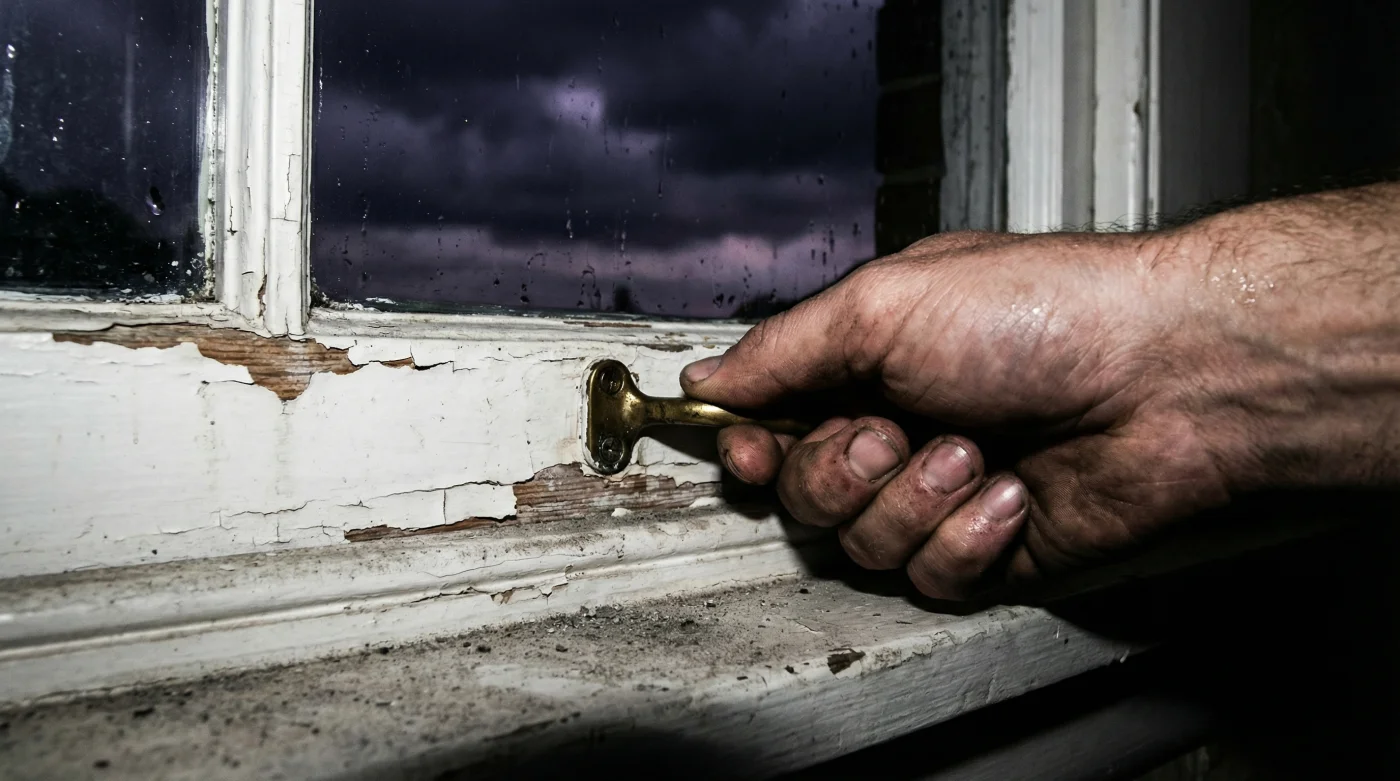
The sky takes on that bruised, sickly shade of green. The air grows heavy, holding perfectly still before the emergency tones scream from your phone, breaking the silence of a typical spring afternoon. You have mere minutes to react. In that adrenaline-soaked rush, you probably lean on the survival rules drilled into you since grade school. You run through the checklist in your head, rushing from room to room, assuming those old public service announcements still hold the key to keeping your family intact.
But severe weather patterns are changing, and those old rules are suddenly a liability. We used to believe that atmospheric pressure was the real enemy, prompting frantic dashes around the house to crack glasspanes. As you run from window to window, you lose precious seconds wrestling with old locks while the actual threat closes the distance. Emergency managers are now watching a terrifying spike in injuries caused not by the storm itself, but by the very methods we use to hide from it.
The truth is, houses do not explode from trapped air. They are torn apart by wind entering the structure and exploiting weaknesses from the inside out. When you intentionally breach your home’s envelope by cracking a window, you invite the storm directly inside your living room. What feels like a proactive survival step is actually setting a structural trap for yourself and your family, creating the very catastrophe you are trying to avoid. The pressure differential is entirely negligible compared to the sheer, crushing velocity of the wind itself.
The Balloon Effect and the Breach
Think of your home as a rigidly inflated rubber tire. The structural integrity relies entirely on the barrier remaining unbroken against external forces. For decades, the conventional wisdom dictated that cracking a window would equalize the massive pressure drop of a tornado, supposedly saving the roof from popping off due to a vacuum. We now know, through extensive wind-tunnel testing and field observation, that the exact opposite is true.
Once the wind finds an opening, it rushes inside and pushes violently upward against the ceiling and outward against the walls. The roof flies off not because of an external vacuum, but because of the aggressive updraft you just invited into your home. Instead of equalizing pressure, you have handed the storm a crowbar, allowing 150-mile-per-hour gusts to dismantle your house from the inside. The sheer physical force of this internal pressurization blows out the remaining walls, turning a sturdy shelter into a debris field in seconds.
Meet David Renschler, a 48-year-old structural damage surveyor who spends his springs picking through splintered subdivisions across the Midwest. After documenting hundreds of impact zones, he noticed a chilling pattern. Families who wasted time opening windows or retreating to the historically recommended southwest corner of their basements were consistently the ones sustaining the worst injuries from flying glass and collapsing debris. Debris naturally blows into that southwest corner, turning the old safe space into a dangerous catch-basin for heavy objects.
Adapting Your Strategy by Location
- Drone delivery services halt operations over suburban areas following unexpected regulatory crackdowns.
- Tornado warning protocols shift drastically as meteorologists warn against this outdated shelter habit.
- Refrigerator compressors fail years early ignoring this basic bi-annual vacuuming maintenance.
- Ceiling fans circulate winter heat effectively instantly toggling this hidden motor base switch.
- Smart door lock battery compartments corrode instantly purchasing models lacking this specific weather seal.
For those living in ground-floor apartments or homes without basements, the goal is putting as many walls between you and the outside as possible. Your central hallway closet offers the best structural shielding against blunt force trauma. Grab a heavy mattress, thick blankets, or even couch cushions to absorb impacts, but never leave the room’s door cracked open.
If you reside in a mobile home, the brutal reality is that no interior room is safe during a severe wind event. The modern protocol demands that you know your community’s reinforced shelter location and move there before the warning is even issued, during the watch phase. Waiting for the siren in a manufactured home is a gamble you cannot afford to take, as tie-downs frequently fail under sheer wind stress. The metal framing can twist and shear, offering absolutely zero resistance to airborne projectiles.
For those caught in an office building or commercial big-box store, you must avoid wide span roofs entirely because the architecture of large retail spaces makes them highly susceptible to total structural collapse. Move immediately to smaller, enclosed spaces like public restrooms, breakrooms, or interior stairwells, keeping strictly away from glass storefronts and exterior facing walls.
The Mindful Evacuation Routine
Survival in severe weather requires eliminating hesitation. When the alert hits, you need a physical routine that relies on muscle memory rather than conscious thought. Treat the warning like a quiet, focused physical exercise; it requires precise, immediate steps without the panic of second-guessing your environment. The adrenaline will try to force you into a frantic sprint, but grounding yourself in a deliberate, step-by-step process keeps your heart rate manageable.
First, leave the windows locked and secured, completely ignoring the old pressure myth to save your home’s envelope. Gather your family quietly and immediately move to your designated central space. Keep your voice low and calm to prevent escalating fear among children and pets.
Next, ensure everyone is physically protected before the noise begins. Put on sturdy footwear to navigate shattered debris later, and bring a loud whistle to signal rescue teams if the structure shifts above you. Sit close to the floor, breathing evenly, and cover yourselves with the thickest padding available. Your Tactical Toolkit requires specific items:
- A hardhat, construction helmet, or bicycle helmet for every family member to prevent blunt force head trauma.
- A heavy mattress or tightly woven winter blankets pulled securely over your group.
- Closed, locked doors on all interior rooms to create additional wind barriers within the house.
- A battery-powered weather radio preset to your local broadcast, kept at low volume.
- Thick-soled boots placed right next to your shelter spot for post-storm navigation.
Reclaiming Your Peace of Mind
Dropping these outdated legacy habits does more than just align your response with modern meteorology. It buys you the most valuable commodity in a crisis: time. When you stop running through the house checking latches and sashes, you gain the quiet moments needed to calm your children and mentally prepare yourself for the noise of the storm. Time is a valuable commodity during chaos, and efficiency is your absolute best shield.
Knowing that your actions are rooted in current, proven physics strips away the panic of uncertainty. You become an active participant in your family’s safety, rather than a frantic victim of outdated folklore. You can sit in the dark, breathing through the tension, confident that you have given the storm as little leverage as possible.
The safest place in a storm is the one you prepared when the sky was clear, leaving the myths behind.
| Key Point | Legacy Myth | Modern Protocol |
|---|---|---|
| Windows & Doors | Crack open to equalize atmospheric pressure | Keep fully locked to maintain the structural envelope |
| Basement Location | Huddle in the southwest corner | Move to the exact center, under heavy floor beams |
| Personal Protection | Covering head with hands and hoping | Wearing a dedicated helmet and heavy padding |
Crucial Tornado Protocol Adjustments
Should I crack my windows during a tornado warning?
Absolutely not. Keep all windows shut and locked to prevent high-speed wind from entering and pressurizing the house from the inside out.
Is the southwest corner of the basement the safest spot?
No. Field research shows debris tends to blow directly into the southwest corner. Move to the absolute center of the lowest level of your home.
Can I shelter under a highway overpass if caught driving?
Never. Overpasses act as artificial wind tunnels, accelerating the wind speed and channeling deadly flying debris directly into the narrow space where you are hiding.
Are interior residential bathrooms really safe?
Yes, because the plumbing pipes inside the walls add vital structural strength to the framing. Just ensure the bathroom is completely interior with no exterior walls, skylights, or windows.
Do I have time to grab my pets when the siren sounds?
Only if they are immediately accessible. Practice gathering them during fair weather drills so they associate the shelter space with safety, avoiding a frantic panic-search during an active alert.